A journey through life after jumping off the professional treadmill. Would especially like to hear from baby boomer women who've left their professions behind.
It’s a good thing I voted early, otherwise I’d be hobbling into the polling station with a very stiff and cranky lower back. It’s much wiser and safer to be nursing it with some ibuprofen and a heating pad with hopes that it feels better tomorrow.
No barn duty today either although it’s my morning to help with the horses at the Rescue. Tuesdays come quickly and they’re usually greeted with a healthy back and ambitious attitude to feed, turn out and clean stalls. That’s actually what may have aggravated my back last week during some pretty heavy lifting in some very dirty stalls.
My back has been in great shape for years, thanks to regular exercise and yoga. But with the cooler weather here and maybe a case of nerves leading up to the election, my back has decided to take control out of my hands and leave it up to fate.
Our bodies have a way of letting us know when it’s time to let go. To let go of controlling things over which we have no control.
Lesson of the day and I’m listening. Finally. It’s our jobs to discern which things we can control, and the wisdom to let go of the others.
What is control, anyway?
Is it the need to fulfill our expectations?
To have our lives unfold according to our plans?
To be right?
To continue our personal delusions?
To assume we know best?
Yes, I think so.
Being a Type A personality, (actually, I like to call myself a recovering Type A), I’ve always needed to control my destiny. My career put me in constant touch with news and pop culture and my leadership roles allowed me to be the gatekeeper I needed to be. I had influence over content, budgets, direction, staffs and the masses.
Perfect.
As my bank account grew with my advancements, so did my sense of personal freedom. Money has always meant freedom to me, rather than the acquisition of “stuff,” though I accrued that too. And with that freedom came a sense of control over my destiny. Oops, there’s that word control again.
If you think my childhood had anything to do with that, you’d be right. But that’s another subject. (Or, if you know anything about the Enneagram model, and my type number, you might also realize control issues are in line with that too.)
Anyway, I digress. Back to control…
These days the issue of control is one that I’m working to live without. I’ve consciously started to live my life without assuming leadership functions. Passion may describe a defining personal attribute, but that doesn’t have to lead to controlling an outcome. A Buddhist tenet is to do what you must and let go of the outcome. To not be so attached to the activity and its motivation, but, rather to do what’s right and give the rest up to the wind. What will be, will be. I’ve done my part, now let it go.
That’s what I think my back has been telling me for a few days now. I’ve voted, I’ve been an activist for principles that guide me. Now, just relax and let it be what it will be.
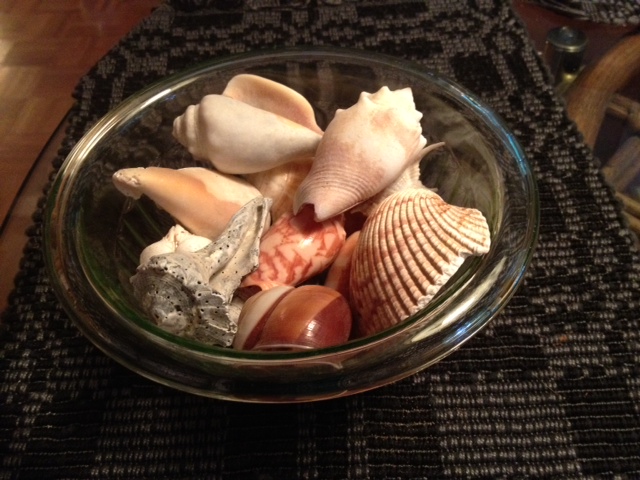
As I substituted my Capri pants and tank tops for long jeans and sweaters, I realized that October is a month about transitions, especially here in East Tennessee where we’re most fortunate to experience four distinct seasons. Fall here is exquisite and lasts longer than the hiccup it takes for our northern neighbors to go from hot to cold. Here the leaves tease us before bursting forth in splendor. The days surprise us with their fickleness between hot and warm before adding cool into the mix of “guess what you’re getting today?” And now that it’s my job to pay attention to what this month offered my life, I’ve realized how this season created transitions of all kinds that define the rhythm of life. October means I take one more shell out of my bowl of 12 that bids farewell to another month of my life. Amazing how they’re flying by. The older I get the faster they fly. Hmmm, didn’t my mother always tell me that?
Let’s start with the colors because our landscape of forested mountains and meandering rivers invite tourists from around the country to leaf peep with us. I often marveled to my hiking partner, Jo, that “we live here!” After calling ETN home for 16 years I’m still breath taken by the kind of scenery most people vacation to see.
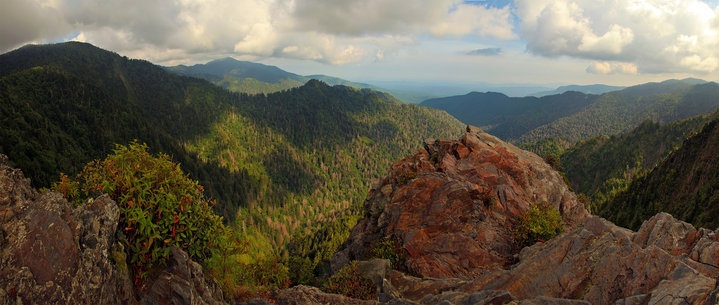
Autumn in the Smoky Mountain National Park should be considered among the natural wonders of the world. Each Thursday in October Jo and I drove an hour to reach a trailhead for our 7 plus mile hike. The most talented landscapers in the world would be challenged to match the natural magnificence we experienced each week.
The streams, wildflowers, forest and waterfalls offered the kinds of pictures that inspire great painters. It’s awe inspiring to recognize that no human put this landscape together, other than to clear out debris blocking trails. In fact, cascading falls are so impressive that a tourist was rumored to ask a ranger when the water gets turned off. Surely something so impressive couldn’t have just appeared!
Paying attention put me in touch with the awe-inspiring power of nature and the recognition that we are of it too. Like the natural landscape, humans go through changes when we allow our bodies to dance with the season. So do animals.
Horses at the Rescue started growing their winter coats. Their turnout shifts changed from staying in to escape the daytime heat to going outside and loving up the chill. Horses become quite playful when temperatures drop below 50 as though their sleeping pills wore off, freeing them to kick up their hooves in glee!
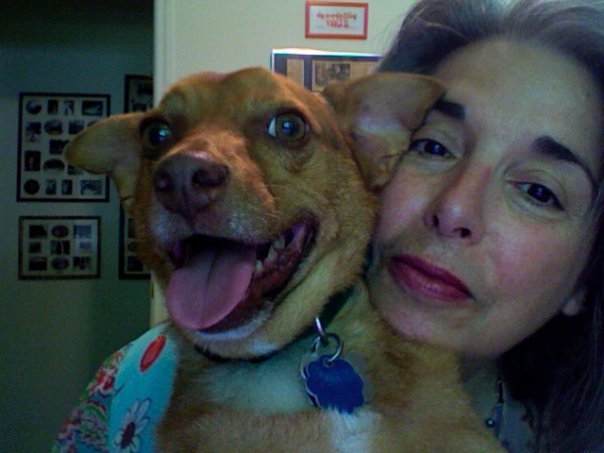
My 11-year old dog Pogo came alive too. He had a resurgence of energy on his morning walks, running up and down hillsides as though his joints no longer ached. Nine years ago he was the canine version of the Energizer Bunny, running all day only to finally collapse into sleep. Crisp fall mornings allowed me to experience this joyful pup again.
I also found that my interest in heading to a favorite greenway with my bike seemed to wane, even on the warm days. Instead, my walks grew longer and my yoga classes more frequent. Beverages changed from ice water to hot decaf, and for lunch, soup replaced a sandwich. I traded my sandals for shoes and socks and pulled my jackets out of their hiding places for those chilly mornings.
Traditional Chinese Medicine practitioners have long recognized body changes with the seasons. So do yoga practitioners. I’ve found that by paying attention, I’ve felt those transitions too.
Madison rolled on her back, legs splayed wide, teasing me to rub her belly. That’s not something she usually does; she has to know we’re alone and not in danger of intrusion from her brothers and sisters. We enjoyed our quiet 20 minutes together while she wrapped the nook of her paw around my wrist and wriggled under my tickles. I thought she’d choke on her purrs while she wrestled my hand in sheer uninhibited pleasure.
She’s the newest addition to our four-legged family, joining us several months ago when our fostering morphed into full-time adoption. We’ve fallen madly in love and every time she’s near I’m awed by her startling beauty and sweet temperament. She’s a blue point Persian, my first pedigree animal and she’s nothing like the snooty elitist I imagined she’d be. She’s just a cat that wants to be loved, groomed, fed and sheltered and reciprocates with warm affection and devotion.
In fact I find all of our animals to be appreciative of our family. They’re all rescues of various backgrounds with unique stories of how they came to be ours. At this writing we have 5 cats and a dog, Pogo, the first canine in my life. Their energies are completely different from each other and so is their interaction with us.
My tickling session with Madison happened while I was collapsed on my bed after a vigorous morning at the barn. Each Tuesday I volunteer at Horse Haven of Tennessee, an equine rescue that rehabilitates those horses that suffered abuse and neglect. They come in starving and distrusting people and they leave hundreds of pounds heavier and ready to be ridden. As a life long animal lover and an aspiring horse owner I choke with emotion at the difference we make in their lives. And they know it and appreciate.
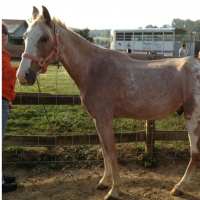
This morning, like most Tuesday mornings in September, I loved on Toby. He’s a Tennessee Walking Horse who’s become the latest object of my horse ownership fantasy. He’s steadily gaining weight, muscle filling in the gaps between his protruding bones. Because I’ve been grooming him we’re forming a friendship that eventually I’ll have to break when he’s well enough to have a new home.
As I reflect on this month I realize how prominent a role animals and nature play in my life. I need both for my soul to thrive. That’s always been true and now that I lead a self-directed life I seem to drift deeper in that direction.
Mornings are occupied with walks through my wooded neighborhood with Pogo. His nose works overtime picking up scents of the most recent critter that’s crossed our path. When I’m quiet and tuned in, I notice an active wildlife community. We have box turtles, squirrels, hawks, blue heron, snakes, deer, gofers, chipmunks, fish and insects of all shapes and sizes. The animals we occasionally see are coyote and fox. People go to zoos to see the animals we live among. I’ve come to realize I love the woods and if offered a choice to live near the ocean or the woods I’d choose the latter. Everything about me calms down when I’m surrounded by wilderness.
That’s why I’ve finally decided to hike trails in the Smoky Mountains, a National Park within an hour’s drive from my house. This month I bought a trail book and each week I grabbed a neighbor to tackle 7 – 8 mile trails rated moderate in difficulty. They take 4 – 5 hours to complete and the scenery along the way can be breathtaking. We pass by rock-strewn streams and rivers, gushing waterfalls, caves, wildflowers, trees of many species and nothing but mountainsides and valleys everywhere we go. The hike, combined with the scenery clears my head, opens my heart and makes me appreciate everything about my life. This is where I live! I don’t have to take vacations to visit here like most everyone we pass on the trails. The beauty of nature is unsurpassed.
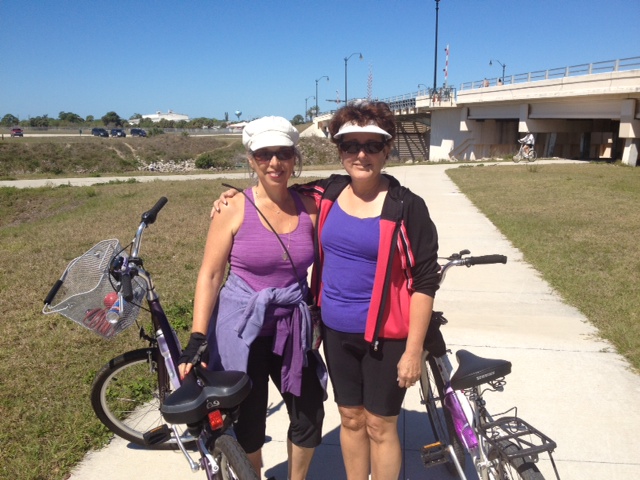
Bike riding offers a similar pleasure. Because I ride on greenways I can usually avoid traffic and allow my breathing rhythm to be influenced by the peddling. When the distraction of cars is eliminated the bike pace becomes amplified and the world slows down or speeds up accordingly. I see people playing in parks, walking engrossed in conversation and fellow cyclers – many of us going nowhere fast, just out to enjoy the fresh air, scenery and exercise.
As I reflect on how I spent September one thing that stands prominent is a daily realization that I’ll never get to live this month in this year again. Kiss September, 2012 goodbye. Perhaps this is what the exercise is really about. That and recognizing how much living I’ve actually done.
Achievement stands out, or lack thereof. More recurring than any other thought was whether I’d do something substantive with my days, something worth writing about and sharing. My inclination is to share my thoughts, to turn this adventure into a writing exercise as a way to engage creatively. So many people I know have creative outlets like painting, music, dance, jewelry making, sewing, cooking. None of those things turn me on. Though I may want to feel inspired by such activities, I’m not. I used to be juiced by making television shows about those subjects and others but not so much anymore.
What is achievement about, anyway? Does it require payment for time spent and efforts recognized? More on that in my next “September, lived” post.
Every Wednesday I head to my patient’s house for a few hours, though I spend very little time with her. She’s bedridden and has been uncommunicative for many years, living our her last days with Alzheimer’s Disease. Her husband sees to her every need while she receives hospice care. He’s home day in and day out, leaving only when someone sits vigil in his stead. That’s where I enter, to give him necessary time away. There’s a lot to learn about living when spending time with the dying and with those who are charged with their assistance. What I’ve learned has certainly enhanced my appreciation for life and good health.
Frankly I’ve always marveled at how my life has unfolded over the years, starting with a rocky childhood and evolving into a stimulating career for 30 years, which allowed me to travel, meet intriguing people and do impactful work. Three years ago I left my job and decided to stop working for a while, which might last for the rest of my life. Who knows? I do know that I’ve been using this newly created time for personal growth – spiritually, experientially and creatively.
The key is to pay attention along the way: notice the serendipity and how one experience, book or person begets another. Dr. Lee Lipsenthal says to “enjoy every sandwich” in his book with the same title. Make everything in life meaningful as though it was your last experience alive. It’s an intriguing concept, one that dying people take to heart with each final day that ticks away.
I recently adapted a challenge posed in my discussion group. The charge is to calculate the number of years I have left to live – using family history and lifestyle as consideration points. Multiply that by months and gather that many stones in a bowl. At the end of each month, remove a stone for the month that no longer remains and evaluate how I’ve spent that month. Powerful stuff. While I’m not prepared to commit to that exercise for the rest of my life, I am intrigued to try it for a year.
My bowl will be filled with 12 shells I’ve collected from my travels. Each month I’ll pull one out and glue it to a frame that will surround a collage of photos, each one representing something important from that month. In essence, it will be a scrapbook from a year of my life.
These pages will be filled with musings from those experiences. My areas of concentration will include the very things that fill my life …
Healthy eating – I spent 16 months losing the 45 extra pounds on my small frame. It’s a challenge to keep them off.
Exercise – usually in the form of walking, biking and hiking – where I’ve been, with whom and the adventures along the way.
Hospice work – experiences with my current patient and spouse or the next one – and the accompanying, inevitable deaths.
Animals – my five cats and dog as well as the rescue horses that I help to rehabilitate from abuse and neglect. There’s always much to learn from animals when you listen and pay attention.
Relationships – with my husband, family and others with whom I’m involved, or met.
Adventures – however that’s defined. It could be trips in our RV or by car. Maybe it’s something else; time will tell.
The point is to live each month consciously while my life ticks away. I’m curious to see how it unfolds and whether I can actually stay tuned in.
Ready, set … go. September lived, coming up. You’re welcomed to play along!
Writing is a craft I’ve been playing with recently. I say playing because a “writer” isn’t something I’ve ever considered myself though I’d been writing professionally for many years. Television stories, that is. Non-fiction ones, both short form and longer pieces. It’s a skill I acquired, though never really a talent. Talent is a gift that can be refined and made stronger. I think I’m gifted in some things, but not really writing. Sometimes I’m proficient, but I don’t consider myself as having a way with words. I can describe what I see and what I think. Mostly it’s because I’m talking on paper – and talking is something I’m pretty good at. Articulating, to be specific. (And when you talk, you can end with prepositions.)
Now that I’m not making television shows I’m playing with the craft of writing to see if I can get better and to discover a voice that fits me. So the idea of learning to write well is a creative pursuit that’s intriguing and offers a challenge that I’m up for tackling. But I’m under no delusion that it’s something at which I can become talented. The book I recently finished by Stephen King titled “On Writing” reinforces the same thought. He says good writers can become better, but not great.
The notion of writing a book is as fascinating to me as it is daunting. So when I read, I find myself deconstructing its form: studying how something is said, the way it’s developed and the style within which it unfolds. It’s within that context that I recently spoke with Lynne Spreen about her first novel, “Dakota Blues,” which she also self-published.
I thoroughly enjoyed the book and its evolution of story and thought process of protagonist Karen. She’s a middle-aged (read boomer) who is so deeply consumed by her HR career that she considers herself indispensible, until one day she’s blindsided by its fiction. Brutally. Spreen expertly weaves narration that winds you through countryside, nature, settings and Karen’s mind. You feel, see and taste everything. Chapters move quickly as they weave you through story until you can’t put down the book.
Let’s start with her trailer which sets the mood well and teases it even better.
Now on to our conversation …
The book unfolds effortlessly – at least to the reader, which constantly makes me wonder how effortless was it for you to write?
I have to confess: not effortless. I’m thrilled it ended up looking that way, but this book took a lot of years to write. Picture a potter’s wheel, and a grey lump of clay getting fat, then skinny, then fat again as the wheel spins. That was DB.
How much did you write each day and how much of the story did you know before writing?
I write as many days in sequence as I can, because if I skip a day or two, I forget details! But I had to find that out the hard way.
That’s why it took me ten years (gasp!) In the early years, I’d get distracted or upset about how it was going, or my job would wring me out, and I’d stop writing for months at a time.
Did you keep notes of the details?
Oh, I did! I had notes here and lists there, notebooks and computer files and everything. I was learning to write as I wrote. Problem was, as I learned, the details had to change. The notes would become obsolete, so I’d throw them away. Doesn’t this sound like fun?
Please elaborate.
After a lifetime as a corporate suit, I was finally able to downscale to part-time, which allowed me to write, but I discovered I knew almost nothing about constructing a novel. So I spent years learning – attending classes, conferences, reading Writer’s Digest, and later, blogs and articles on the Internet.
Did you map out the sequences in advance, complete with the narrative scenes provided?
No, I didn’t. But now that I know better, I will! Originally the whole story was set in Newport Beach, but I didn’t love it there. Then, when I went back to N. Dakota with Mom in 2008, my first visit back since childhood, I fell in love with the area and knew my story had to be based in the Midwest. Does that give you an idea of all the revising?
As we drove from Denver to Dickinson and back again, and during the visit, I kept recording my observations into a video recorder. Mom and I still talk about that trip – it was the trip of a lifetime.
What were the different phases you went through with the book – ie: did you write from an outline, had you written notes for yourself along the way? Was there a skeleton that you filled in as the story grew?
I think it would be better not to tell you how I did it, because it’s exactly wrong! My so-called method was trial-and-error, which ate up a lot of time: I did not have a good idea of how a novel should be structured, or how to outline it. I went through about 3 systems and ended up using the one by Larry Brooks (StoryFix.com). So my next book should only take about a year to write, now that I know what is supposed to go where. (She said hopefully.)
So if you weren’t sure how a novel should be structured, how were you able to start writing it? Did you have to restructure the story to accommodate the structure?
I wrote a hundred pages of first chapters. It was excruciating. Yes, I had to rewrite everything, multiple times.
Stephen King says in his book “On Writing” that you first write with the door closed and then with the door open – meaning (I think) that the first phase is almost stream of consciousness writing – letting the story spill out of you. Then you re-write it with readers in mind. Does that define your process – or was yours different?
I loved that book, but I think my future process (after the crucible of this first experience) will be this: I’ll first create a logline or one-line. Then a short synopsis, then a longer synopsis, then a form of outline, and finally, the novel.
What was your writing regimen to prepare for tackling a novel?
I lit a candle, drank lots of wine and started typing. Just kidding. Now that I’m 58, my stomach hates alcohol, which makes me so mad.
That sounds like a plan for me, actually! But I was thinking more along the lines of “practice” pieces. Were there such things? For example, now you have many writing venues in your life: book reviews, a blog, articles on different websites, maybe more. Did those outlets serve as practice pieces, of sorts? Or just other avenues of expression?
I started the nugget of what would become Dakota Blues about ten years ago. At the time, I was freelance writing (newspaper and magazine) which helped me hone my skills. I also joined a critique group which I consider critical to getting better at the craft. Then, as I began blogging, doing book reviews, etc., that helped me even more, because your writing gets tighter. You find yourself asking, “What’s my point?” or “What the hell does that have to do with anything?” It’s better to ask yourself that before the reader does it for you!
How did you determine when the story was winding down and coming to its rightful end?
Strangely enough for one so scattered, I had an idea of how I wanted Karen’s journey to unfold. I had learned enough to understand and treasure the concept of story arc, but also, I have always been eager (which is not a strong enough word – passionate? Yes, passionate.) about women breaking free in midlife or later. Realizing they actually hold the keys to their jail cells.
When and how did you determine who the support characters would be for Karen and what their back-stories might be?
They came and went. I would learn something critical about supporting characters and realize one of mine had to go, so I’d edit her out. Now I understand that each character exists for a reason, to carry water for the story. She or he can’t just be there because you want to get revenge on your coworker or boyfriend. They exist to perform a function for the story. In the case of Frieda, she served as guide to old age, someone who could tell Karen what to expect and how to be happy and independent when older. Frieda also served as a mother-replacement for Karen, who felt guilty for having “abandoned” her own mom.
That’s interesting because Frieda’s relationship with her own daughter didn’t feel like a role-model sort of relationship. What was your reason for that?
I wanted to show an old woman who, even though she was really old, still grappled with the same issues we all do (family discord) and some we all don’t, at least not yet (mortality.) What must it feel like to be 90?
So even though Frieda is fiercely independent, she caves (with the inducement of the baby) and decides to go see Sandy and maybe live with her. However, the crisis in Wyoming causes not just Karen but Frieda, as old as she is, to change her mind and keep on fighting. Which I think is interesting, because it shows a VERY elderly woman who is just like us, only wiser. And she has a lot to teach Karen. The troubled relationship with Sandy is a metaphor for any difficult situation in our lives.
Locations are so real they can’t possibly be fictional. Are they?
The locations are definitely not fictional, but I wrote about Dickinson before the oil boom landed like Godzilla. That lovely small town now exists only in my book. I’m glad that North Dakotans are finally getting economic benefit, but there’s a cost.
Many writers suggest to “write what you know.” How closely does Dakota Blues resemble your life?
There’s a lot of me and my ancestors in it. I worked in HR, like Karen (Karen is the name of my elder sister; I used it to honor her). And the theme of the story – breaking free, rediscovering your authentic self, and finding empowerment in the second half of life – is my passion. I believe it can happen if we take a more active role in our own destiny.
How would you say fiction differs from non-fiction?
As an HR exec, I wrote non-fiction every day, along these lines: “You were observed at 8:45 a.m. on Tuesday, October 15, exiting the Pussy Cat Gentlemen’s Club in (city). You opened the door of your work truck (plate # xxxxx), started the vehicle and in approximately ten seconds, collided with a telephone pole.” After thirty years of that kind of writing, I was artistically constipated. But little by little, I learned to make stuff up. Fiction is so fun and freeing.
But you also write “real” pieces, articles and book reviews. I consider those non-fiction. Do you consider there to be a difference?
That’s an interesting question, because although obviously fiction is “unreal” as opposed to non, which is “real,” at the same time, if I’m writing fiction, I have to deal with facts, too. Like with Dakota Blues, I did a lot of research, such as contacting an ornithologist about bird life on the northern plains. (Specifically: if trees only arrived with the settlers, where did birds live before that? Were species limited to those that lived in burrows, like some owls?)
And with my newspaper column or other works, I had to paint dramatic pictures with my words, and construct the articles in such a way as to pull the reader in and keep them hooked. So although I’ve never EVER thought about this before, the two forms do have a lot in common. Good question, Joyce.
The book looks as professionally packaged (font, art, weight of paper, number of pages) as all the books I have from big publishing houses. Please explain the process of self-publishing and why you chose Amazon.
Thank you! I actually had the cover made independently by www.Damonza.com. I’ll tell him you said so.
Why I chose Amazon: an indie publisher wanted to publish Dakota Blues, and in preparation for the contract negotiations (did I mention I used to negotiate union contracts?) I researched Amazon (actually, CreateSpace, an entirely separate company) because I knew they listed their a la carte publishing services and costs right on the website. So I’m thinking, okay, I’ll tell Mr. Indie I want this, and this, and this…and then I realized I could do it without him! This is the beauty of self-publishing (although at this point, I have about six people on my team, so the label is inaccurate.)
What’s a cost range for self-publishers?
Nobody will give you a straight answer to this because it’s all over the place, depending on what services you want to buy and how techy you are. But I would say if you spend more than $2500, you’re nuts. My own services (including a $600 book trailer done by my cover artist) probably totaled $1500. But a person can spend way less. If you just want to sell it as an ebook, you can upload your manuscript to Smashwords for free. Then tell everybody about it and rake in the cash. Or coin, depending.
What are you working on now?
Oh, this is so fun! It’s a collection of short stories about the experience of being older. It’s called “The New Country – Stories of Midlife and Beyond.” I’ve got my critique group laughing and crying and begging for more. There’s quite a bit of humor in it.
Any final nuggets you’d like to share about your discovery process?
Lots of people ask authors where we get ideas. Here’s my best suggestion: coffee and the morning paper (or in my case, the morning laptop). One of my best sources of ideas for characters and scenes is from reading advice columns (I really like Carolyn Hax at the Washington Post). Also, I get Google Alerts when the word “boomer” turns up in an article online. Sometimes you find out about a trend (like the largest group of people seeking divorce is women over 50, and the most common reason given is she wants to move, now that the kids are raised, and he doesn’t. So she goes without him.) Then you ask “what if?” Because that’s the magic of writing fiction: dreaming up your own questions, and supplying your own answers.
Thanks for asking me to join you in this discussion, Joyce. I had a blast!
That’s from Lynne Spreen, author of her first novel, Dakota Blues” found on Amazon. Pick up your copy and enjoy it as much as I have.
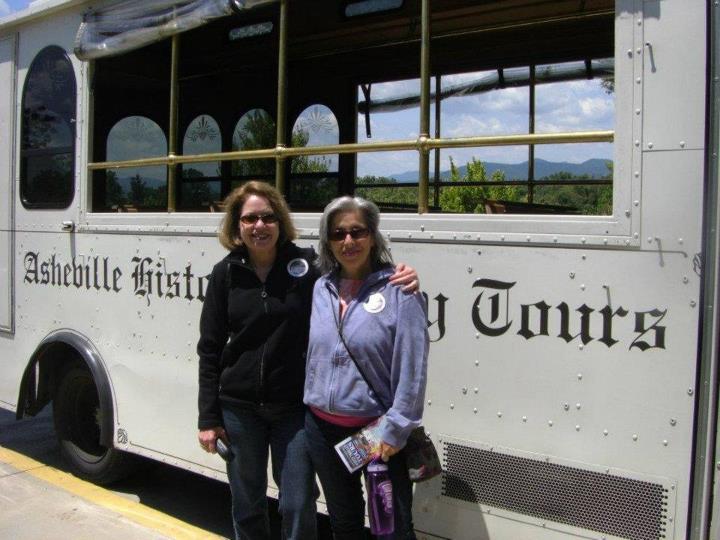
It’s been a couple of months since I spent the weekend at Jan’s new retirement home in the beautiful mountainous region of Asheville, N.C. Before that it had been maybe six years since our last visit, that time at my house in East Tennessee when she and her husband were passing through the area. Other than that — a couple of periodic visits back to Pittsburgh constituted our time together since the years we were colleagues in that city. And no matter where or how infrequently we visit, our conversations pick up as though it’s been just a few days since we last spoke.
My friendship with Marilyn is just like that. We’ve been friends since we were kids, growing up just a few houses apart in the neighborhood where we both spent our childhoods. We’re as close today as then, though we both went to different colleges, have been through different life experiences and lived in different states since those days. Each time I see her we start talking and don’t stop until it’s time to leave. Our bond is as strong as ever and the friendship has grown with the years.
Marianne, my college room-mate, is another life-long friend. We pick up where we left off and continue from there, each updating the other on the trials and tribulations in our respective lives. The two weeks I spent at her home last summer were just like the old days, except she went to work each morning and I played in my old stomping grounds of Pittsburgh, visiting other friends and former colleagues accrued during the 13 years living there.
It’s amazing the different roles friends play in our lives. These days I continue to stay in touch with life-longers while also enjoying my theater friends, bicycling friends, neighborhood friends, work friends, spiritual friends and now email, Facebook and blogging friends. And of course, my husband, who’s probably my best friend, and my sisters who’ve become close friends over the years. All of them touch different parts of my essence, exercising various intellectual and emotional muscles within.
A recent piece in the New York Times by Alex Williams challenges our ability to make friends after a “certain age” when a busy life tends to preclude the time necessary for real connections to be established. He identifies the conditions that sociologists find important in forging friendships to be proximity, repeated and unplanned interactions, and a setting that encourages people to let their guard down and confide in each other.” Perhaps that’s true; friendship does seem to rely on shared experiences of some kind, though proximity can now be established through the miracle of digital interaction too. I’ve made new Facebook and blogging friends whom I’ve never even met in person. And bonds with former work friends have grown stronger on Facebook than they were during our work days together.
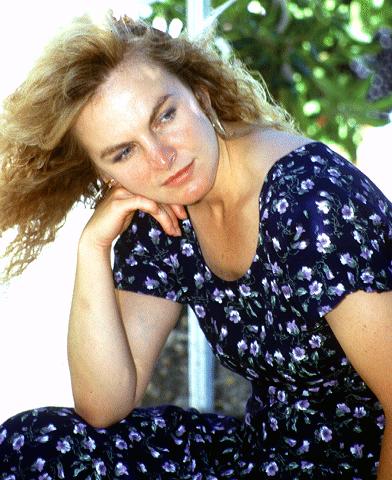
Two friends (Photo credit: Wikipedia)
What we all seem to crave is connection. For me, friendship is about authenticity. When we are free to be ourselves with someone else and that someone else still wants to maintain connection, a friendship can be born.
A former hospice patient, for whom I was a companion during the end stages of his life, was described as one who never met a stranger. What a poignant description of a person who loved to love. And he was well-loved in return.
A living will is one of those documents you don’t usually think about until circumstances force you to, and then its piercing questions cut straight to the meaning of life.
How hard, and at what price, do you want the medical system to work to keep you alive? Therefore, what does it mean to be alive? This is not light Sunday morning reading, to be sure. For me, the living will took most of a Sunday afternoon to labor through on behalf of my elderly father, whose health just took a turn for the worse.
The first question asked whether he wanted CPR to be administered. He’s always said that if there’s a breath, there’s hope, so I guessed he’d say yes. But now I read that risks of CPR, particularly in the elderly, include broken ribs — one of which could puncture his lung and require mechanical intervention and a chest tube. He could also suffer brain damage because of less oxygen to the brain, and vomiting that might cause pneumonia if it aspirates into his lungs. Really? Call me naive but I had no idea, and, as it turns out, neither did he. In other words, he could be sicker than when he started.
Of course, the alternative is death. So there lies the question: How alive is alive?
Many physicians spend their days saving lives yet would not want heroic intervention for themselves; they well understand that it’s often futile and, worse, imposes suffering on the patient. Dr. Ken Murray writes about quality of life vs. its length in his poignant blog called “How Doctors Die.” (http://bit.ly/LP2d7g)
So many people wind down their lives in an ICU attached to tubes because traumatized family members tell doctors to do everything possible. They’re expecting a chance for the patient to resume a normal life again. Often that doesn’t happen; the patient may live, but not the life they knew. Family doesn’t realize, nor are they usually told, what’s reasonable to expect. And in the process, tens of thousands of dollars are spent every day.
As a hospice volunteer, I witness the process of dying each week. Patients experience their final days receiving compassionate care that minimizes pain and offers emotional, social and spiritual support. It’s usually not death that people fear, but rather pain and social isolation. Facing the end, people realize that it’s relationships that matter and spending time with loved ones takes priority. A book by Dr. Ira Byock summarizes four things he found matter most to a dying person: “Please forgive me. I forgive you. Thank you. I love you.”
Author and philosopher Joseph Campbell says that the real search isn’t for the meaning of life so much as for the experience of being alive. Nobody wants to end their days wishing I had, or hadn’t — we all want to live significantly and feel we’re making contributions of some kind to the planet and each other. We want our lives to have meaning until our last breath.
One of my favorite reads is by Rodney Smith, whose book “Lessons From the Dying” is, despite the title, more about living. During his hospice career Smith gleaned insights about what’s important in life. There are gems throughout this work, but his summary point might be, “It helps to live with the end in sight.” Each day matters, and living it consciously is a choice we’re all empowered to make.
Everyone is going to die. The question is how do we want to live and at what cost?
Right now my 89 year old father is in a rehab unit hoping to re-gain the strength of his body. His legs don’t work that well anymore, particularly his left leg that’s grown weaker in the 20 years following his stroke. The same is true of his arms; the right does the lion’s share of work while the left hangs limp at his side. He desperately wants to return home where he was about a month ago before this current crisis took place. There he was able to move ever so slowly using his walker and also to perform the daily rituals of living. Now he can’t get in or out of bed by himself, bathing and dressing himself is impossible and he requires the help of an aid to move even more slowly and unsteadily in his walker for yet shorter distances than before. And yet he’s convinced himself that he’ll get strong enough to go home and continue life as before. It doesn’t look promising, though he is improving.
The food there is good; we’ve tasted a bit of all his meals as they’re delivered. He’s receiving excellent care, has a private room and is in a very cheerful, bright community of people with a similar cultural background as his. He’s been accepted into their long term care household which is where we want him to live. He refuses, complaining about the regimented lifestyle and business-like attitude of some of the nurses and aids. They have schedules to adhere to regardless of whether he agrees. He likens it to life in the military some 70 years ago and says he wouldn’t wish it on his worst enemy.
We’re in a stalemate. Once his physical therapy is finished we’ll have to make a decision. What do we use as our guide? Our judgement, as his children, about what’s best for him? Or his emotional insistence on the way he wants to live out the rest of his life?
Based on history, we think that if he goes home he’ll “fire” the aids after a short period of time because he thinks they’re no longer necessary. It’s happened before. He hates spending the money; he considers it wasteful. He wants to die with his money intact “just in case.” “Just in case” what? we probe. “I don’t know” is the answer. He can’t grasp the idea that NOW is the” just in case” he’s been saving for.
Life at home consists of sitting solitary in a room and watching TV all day. His only company is my sister when she returns from work and my other sister when she visits. On many Thursdays he hobbles to his car and drives to meet his buddies for lunch at the nearby deli. He shouldn’t, but he does. I doubt he’ll be cleared by a doctor to continue driving. He’s convinced we’re wrong. He must keep his car.
When I was a kid I went to hebrew school and took piano lessons because my parents insisted they were beneficial. I disagreed. It didn’t matter. I went and I practiced — for years. And years. And years. Now, as an adult, I’m a richer person for the experiences.
He doesn’t see the analogy. He sees himself as the parent who knows best. We disagree. Who wins? And at what cost?
It’s a bitch to get old and feeble. None of us thinks about it while we’re busy with our lives managing careers, family, friends and the daily mundane chores of living. Nobody anticipates the day when we can no longer take care of ourselves, relegating decisions about our life to others.
That rude awakening landed square between my eyes while now playing the role of parent to my elderly father. He’s always been a ferociously independent, active man who supported a family of six, sent his kids to college and provided the religious education he considered to be important. He ran a business and answered to himself about all matters.
As a renegade, my father felt rules were guidelines that he could follow or not. He could run red lights if he determined there to be no traffic, but God forbid any of his kids do that if he’s a passenger in our cars. If his customers were tardy on paying him, his bills could wait until cash flow improved. Any imposed penalty for lateness didn’t apply to him because of his extenuating circumstances.
Now he sits in a wheel chairwhile his body defies his craving to walk and go and do. Now he has to listen to us. And his therapists. And his doctors. And eat food they want him to eat and drink liquids that are unappetizing.
Life is incredibly difficultfor him these days and at 89 it’s damn near impossible to become a different man, a deferential man.
My heart aches for him and I wonder whether he will be me someday.
United States of America (Photo credit: Wikipedia)
I’ve been dreading this election season because of the state of our country’s politics. These days I don’t know where I live anymore; the country certainly doesn’t feel like the same United States of America. Republicans want to cut way back on social programs that service the disenfranchised and on public education while steadfastly refusing to eliminate the tax breaks created by President George Bush that were set to expire 2 years ago. Hell no to marginal tax increases that will only affect the top 1% of the wealthy in our land. Who are these people?
This commentary published in my daily newspaper is a rant on just one piece of the puzzle. Feel free to comment.
 As I substituted my Capri pants and tank tops for long jeans and sweaters, I realized that October is a month about transitions, especially here in East Tennessee where we’re most fortunate to experience four distinct seasons. Fall here is exquisite and lasts longer than the hiccup it takes for our northern neighbors to go from hot to cold. Here the leaves tease us before bursting forth in splendor. The days surprise us with their fickleness between hot and warm before adding cool into the mix of “guess what you’re getting today?” And now that it’s my job to pay attention to what this month offered my life, I’ve realized how this season created transitions of all kinds that define the rhythm of life.
 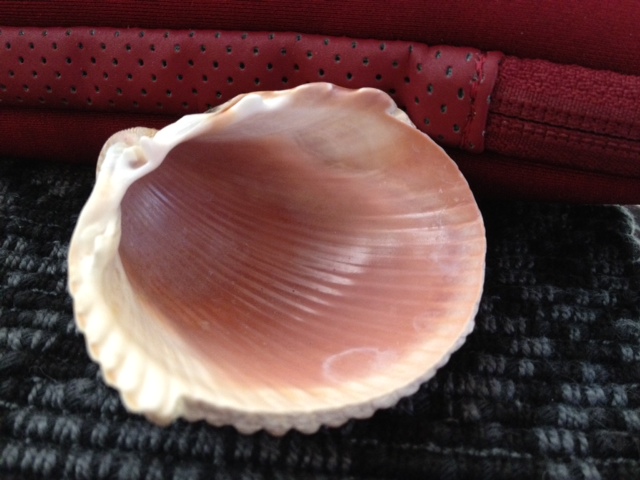 October means I take one more shell out of my bowl of 12 that bids farewell to another month of my life. Amazing how they’re flying by. The older I get the faster they fly. Hmmm, didn’t my mother always tell me that?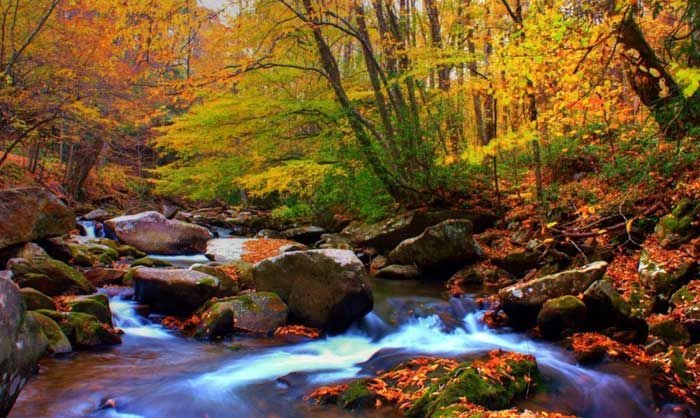
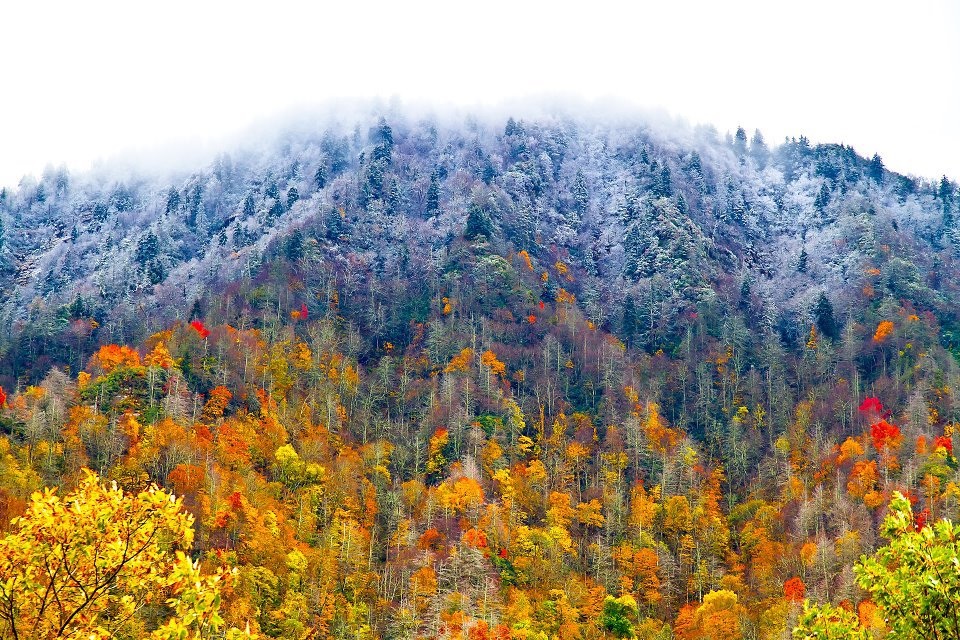 The streams, wildflowers, forest and waterfalls offered the kinds of pictures that inspire great painters. It’s awe inspiring to recognize that no human put this landscape together, other than to clear out debris blocking trails. In fact, cascading falls are so impressive that a tourist was rumored to ask a ranger when the water gets turned off. Surely something so impressive couldn’t have just appeared!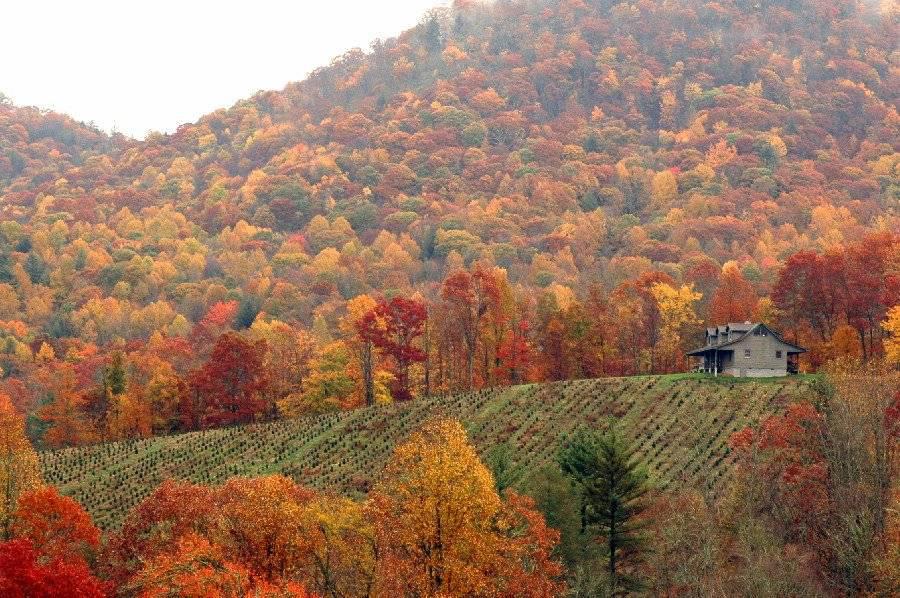






 actthreedotnet
Letting Go
November 6, 2012 by Joyce
It’s a good thing I voted early, otherwise I’d be hobbling into the polling station with a very stiff and cranky lower back. It’s much wiser and safer to be nursing it with some ibuprofen and a heating pad with hopes that it feels better tomorrow.
No barn duty today either although it’s my morning to help with the horses at the Rescue. Tuesdays come quickly and they’re usually greeted with a healthy back and ambitious attitude to feed, turn out and clean stalls. That’s actually what may have aggravated my back last week during some pretty heavy lifting in some very dirty stalls.
My back has been in great shape for years, thanks to regular exercise and yoga. But with the cooler weather here and maybe a case of nerves leading up to the election, my back has decided to take control out of my hands and leave it up to fate.
Our bodies have a way of letting us know when it’s time to let go. To let go of controlling things over which we have no control.
Being a Type A personality, (actually, I like to call myself a recovering Type A), I’ve always needed to control my destiny. My career put me in constant touch with news and pop culture and my leadership roles allowed me to be the gatekeeper I needed to be. I had influence over content, budgets, direction, staffs and the masses.
Perfect.
As my bank account grew with my advancements, so did my sense of personal freedom. Money has always meant freedom to me, rather than the acquisition of “stuff,” though I accrued that too. And with that freedom came a sense of control over my destiny. Oops, there’s that word control again.
If you think my childhood had anything to do with that, you’d be right. But that’s another subject. (Or, if you know anything about the Enneagram model, and my type number, you might also realize control issues are in line with that too.)
Anyway, I digress. Back to control…
These days the issue of control is one that I’m working to live without. I’ve consciously started to live my life without assuming leadership functions. Passion may describe a defining personal attribute, but that doesn’t have to lead to controlling an outcome. A Buddhist tenet is to do what you must and let go of the outcome. To not be so attached to the activity and its motivation, but, rather to do what’s right and give the rest up to the wind. What will be, will be. I’ve done my part, now let it go.
That’s what I think my back has been telling me for a few days now. I’ve voted, I’ve been an activist for principles that guide me. Now, just relax and let it be what it will be.
Thank you, back.
Share this:
Posted in health, meditation, musings, Uncategorized | Tagged commentary, Enneagram, Health, meditation, observation | 1 Comment »